


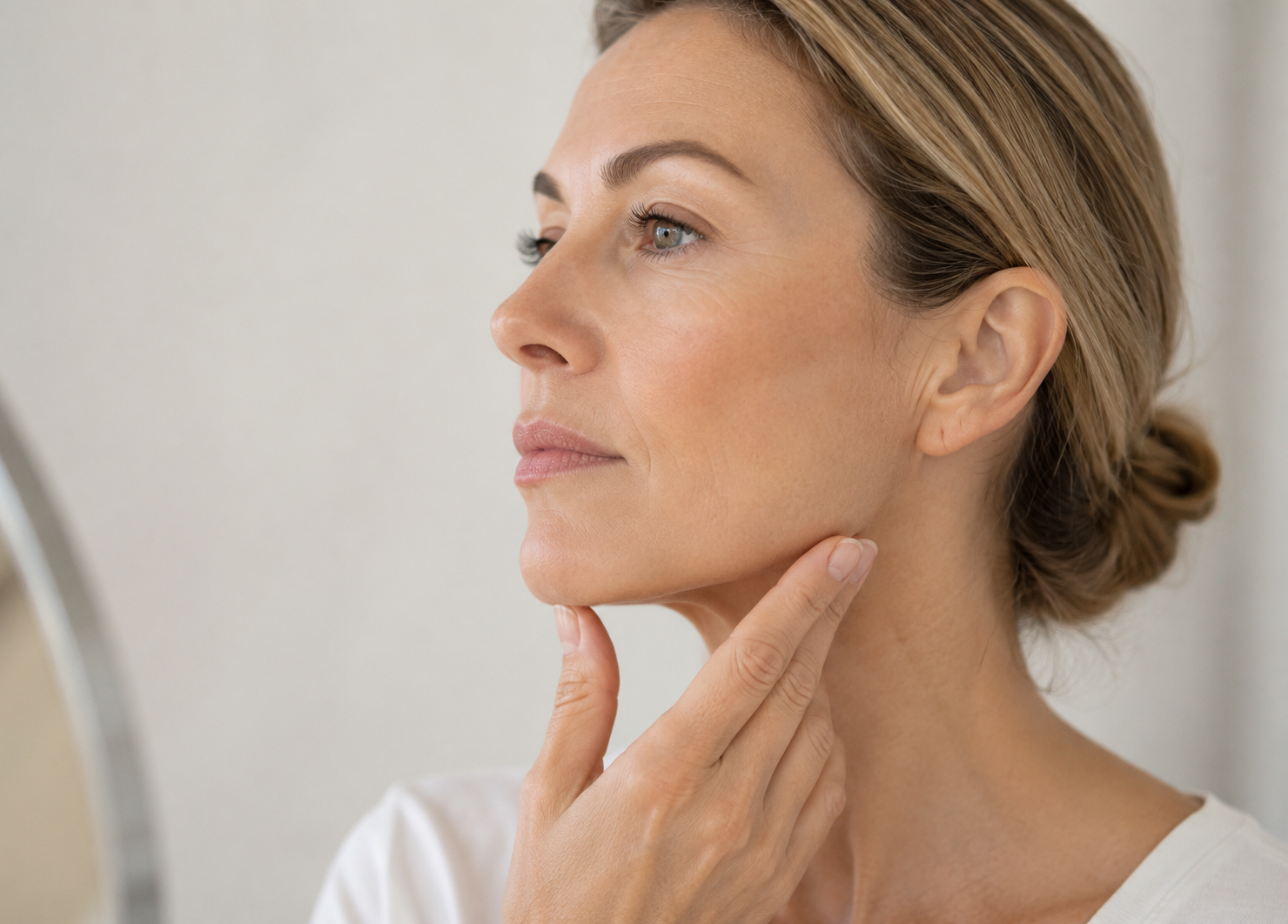
Jaw Tension & Teeth Grinding
Persistent jaw tension, teeth grinding, and clenching can place strain on the jaw muscles and surrounding structures. If you’re experiencing symptoms such as jaw tightness, facial tension, headaches, or discomfort when chewing, a consultation can help you better understand the factors contributing to these concerns and the options available.
✧
Understand The Cause
✧
Explore Your Options
✧
Personalised Treatment Plans
✧
Evidence-Based Care
✧
Tailored Consultations
✧
Education First
✧ Understand The Cause ✧ Explore Your Options ✧ Personalised Treatment Plans ✧ Evidence-Based Care ✧ Tailored Consultations ✧ Education First
DISCLAIMER
The information on this page is general and educational in nature. All treatment suitability is assessed during a one-on-one consultation with Nurse Renee. Individual results vary and all procedures carry risks which will be discussed in full prior to any treatment.

How Jaw Tension & Teeth Grinding Can Affect Daily Life
Jaw tension and teeth grinding are common concerns that can affect both comfort and quality of life. Some people may notice tightness through the jaw, discomfort when chewing, headaches, or symptoms associated with clenching and grinding, particularly during sleep.
The muscles responsible for chewing and jaw movement work continuously throughout the day. In some individuals, increased muscle activity can contribute to feelings of tension, discomfort, and changes in the appearance of the lower face.
The causes of jaw tension and teeth grinding can vary from person to person. Stress, sleep habits, lifestyle factors, and individual muscle activity may all play a role.
At REN Aesthetics, Nurse Renee takes the time to understand your concerns, assess your jaw muscle activity, and discuss what options may be appropriate for your individual circumstances.

Understanding The Different Forms
-
Some individuals unconsciously clench their jaw during the day or while sleeping, leading to increased muscle activity and tension.
-
Also known as bruxism, teeth grinding commonly occurs during sleep and may contribute to jaw discomfort and dental concerns.
-
Overactive jaw muscles can create feelings of tightness, fatigue, or discomfort through the lower face.
-
Some people experience headaches, facial discomfort, or soreness associated with increased jaw muscle activity.

Common Contributing Factors
-
Stress and emotional tension are commonly associated with increased jaw clenching and grinding behaviours.
-
Teeth grinding often occurs during sleep and may go unnoticed until symptoms develop.
-
Some individuals naturally have stronger or more active jaw muscles than others.
-
Facial structure, bite alignment, and muscle function can all influence jaw tension and grinding patterns.
AVAILABLE PATHWAYS
Treatment Options

Jaw Slimming/Masseter Treatment
A consultation-based treatment option commonly discussed for suitable clients with concerns relating to jaw tension, teeth grinding, jaw clenching, and increased masseter muscle activity. Treatment suitability is assessed individually during consultation with Nurse Renee.
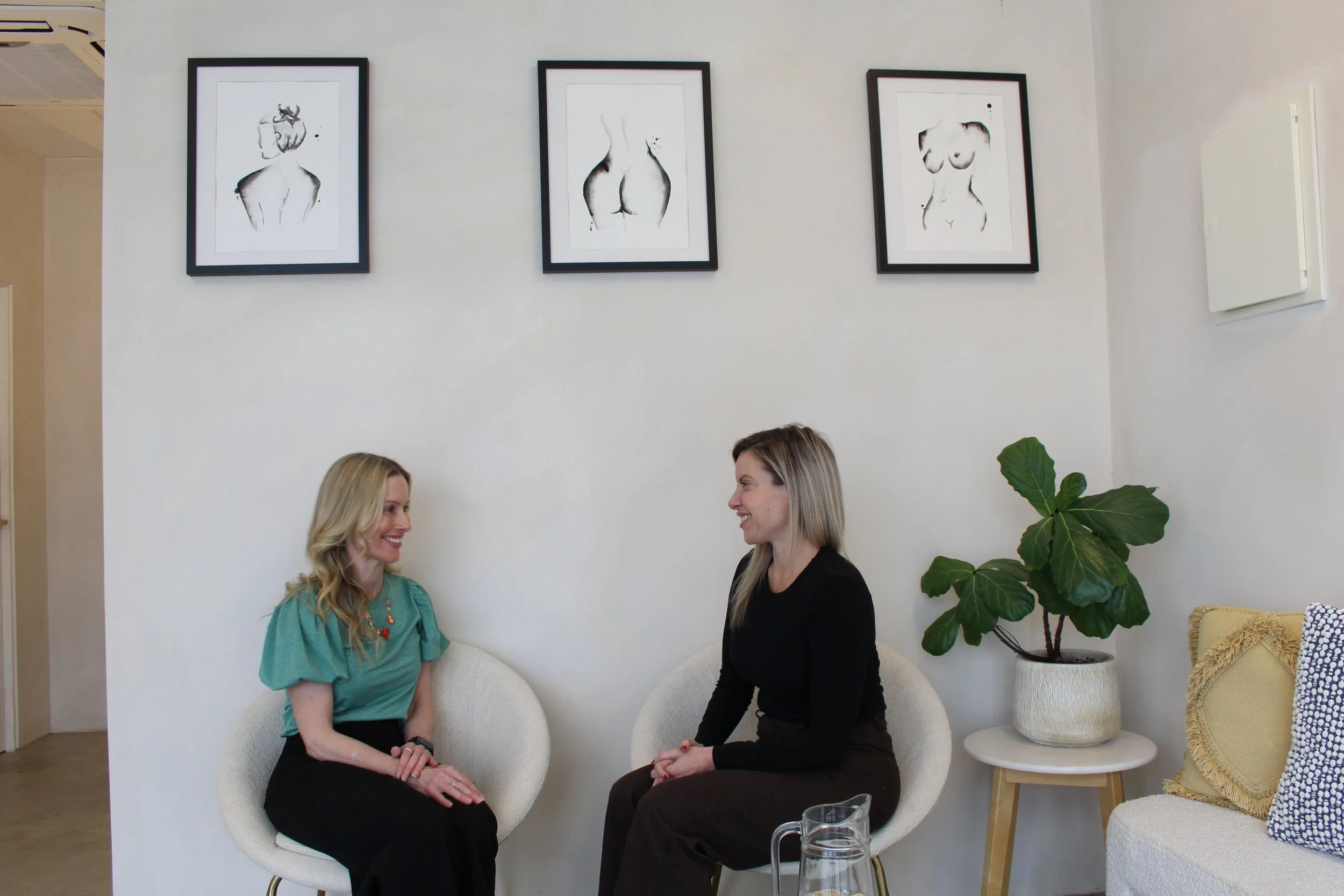
Begin With a Consultation
A consultation with Nurse Renee is an opportunity to discuss your concerns, explore your options, and receive personalised advice tailored to your individual goals.